How Often Commercial Air Ducts Should Be Cleaned
People seeking how often commercial air ducts should be cleaned can benefit from local service providers who can assess and perform professional duct cleaning to maintain air quality and system efficiency.
If you're wondering how often commercial air ducts should be cleaned, you're in the right place. Property owners in the area often consider this question to maintain a clean and healthy environment for employees, clients, and visitors. Regular air duct maintenance can help improve indoor air quality, reduce energy costs, and prevent potential issues caused by dust, mold, or debris buildup. By understanding the recommended cleaning intervals, you can decide when to seek the help of experienced local contractors who specialize in commercial air duct cleaning services.
Many factors influence how frequently commercial air ducts need attention, such as the size of the space, the number of occupants, and the presence of any specific health concerns or environmental conditions. Local service providers are well-equipped to evaluate these factors and recommend a cleaning schedule tailored to your property’s needs. Keeping air ducts clean not only supports a safer, more comfortable environment but also helps ensure your ventilation system operates efficiently. Keep reading to learn practical tips and guidance on maintaining your commercial air duct system effectively.
- Commercial air duct cleaning - businesses with high occupancy or frequent use may need this service more often to maintain air quality, and local contractors assess usage patterns to recommend appropriate cleaning schedules.
- Air duct cleaning for offices - offices experiencing increased dust, odors, or allergy complaints should consider regular cleanings, with local service providers tailoring frequency based on environmental conditions.
- Industrial air duct cleaning - industrial facilities exposed to heavy dust or contaminants often require more frequent cleaning, with local pros evaluating operational factors to advise on optimal timing.
- Restaurant kitchen duct cleaning - commercial kitchens may need more frequent cleanings due to grease buildup, with local contractors providing maintenance plans aligned with health and safety standards.
- Retail and shopping centers - large retail spaces with high foot traffic or HVAC usage might benefit from scheduled cleanings, as local service providers determine cleaning intervals based on usage and air quality observations.
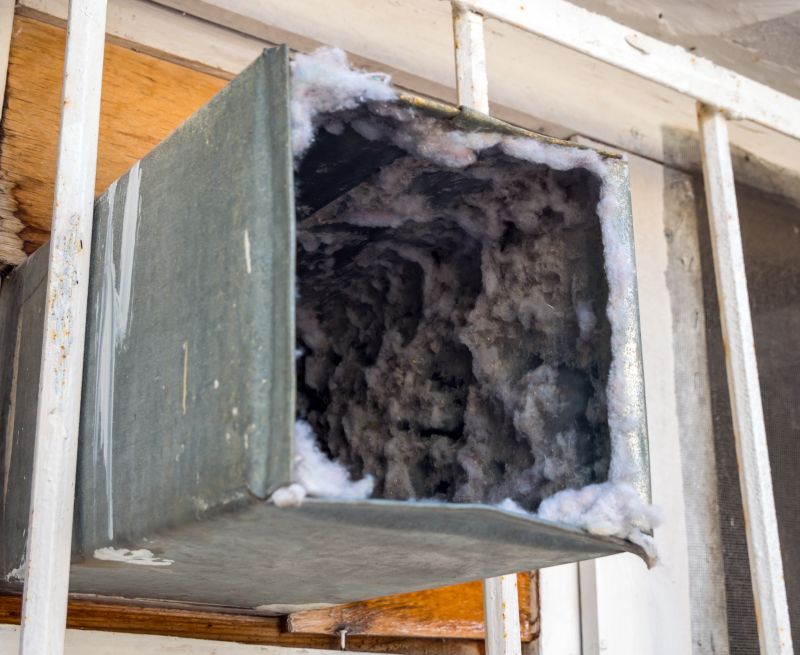
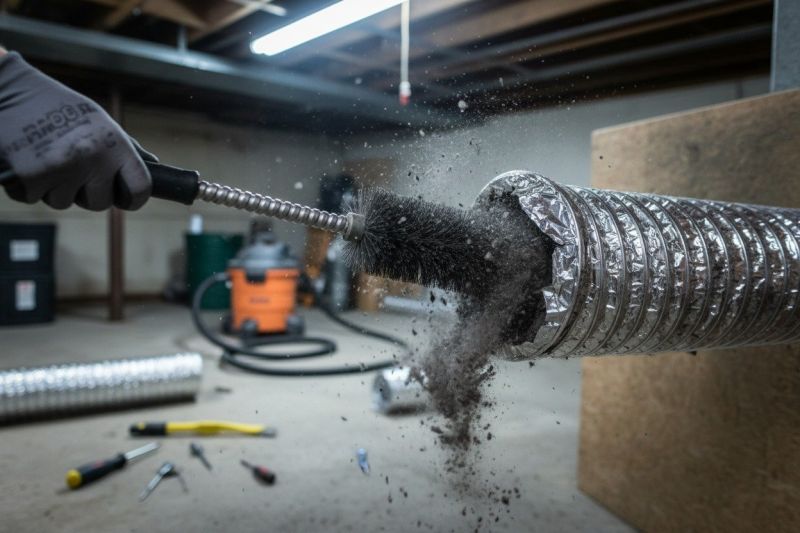
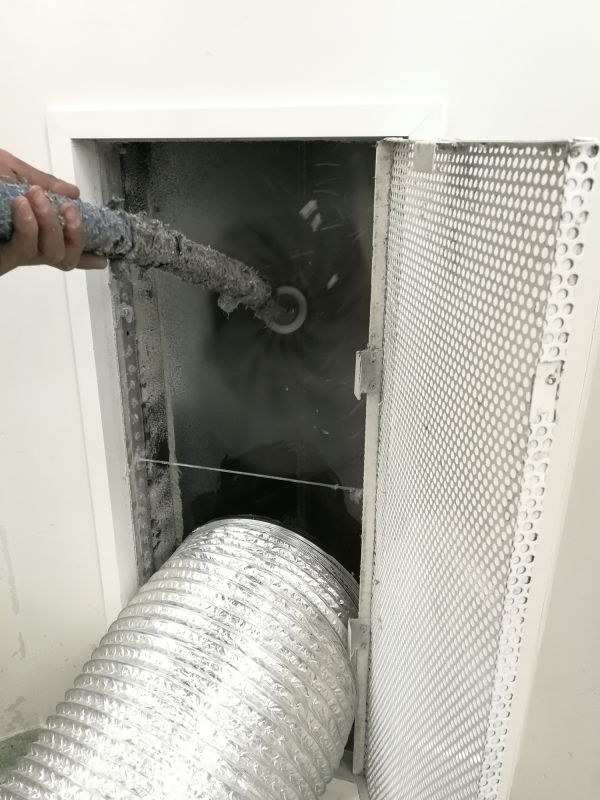
When people search for information on how often commercial air ducts should be cleaned, they are usually trying to determine a maintenance schedule that keeps indoor air quality high and equipment running efficiently. Commercial properties often have larger and more complex duct systems compared to residential spaces, which can accumulate dust, debris, and other contaminants over time. Business owners, facility managers, or property owners may be concerned about the impact of dirty ducts on employee health, customer comfort, or the overall cleanliness of their space. Understanding the recommended cleaning frequency helps them plan routine maintenance and avoid costly repairs or indoor air issues caused by neglected duct systems.
This topic is closely related to a variety of operational and health-related concerns. For example, a buildup of dust and allergens in air ducts can reduce HVAC efficiency, leading to higher energy bills and uneven temperature control. In environments like offices, restaurants, or retail spaces, poor air quality can also impact employee productivity and customer satisfaction. Additionally, properties that experience frequent occupancy, have ongoing construction, or are located in areas with high pollution levels may require more frequent duct cleanings. Local service providers specializing in air duct cleaning can assess specific property needs and recommend appropriate cleaning schedules to address these concerns effectively.
Commercial properties come in many forms, each with unique considerations for air duct maintenance. Office buildings, retail stores, restaurants, medical facilities, and industrial warehouses all feature different duct system sizes and configurations. Larger spaces with extensive duct networks often need more regular cleaning, especially if they experience high foot traffic or are prone to dust and debris accumulation. Smaller commercial spaces or those with less occupancy may not require as frequent cleanings but still benefit from periodic assessments. When property owners or managers understand how often commercial air ducts should be cleaned, they can better coordinate with local contractors to schedule maintenance that aligns with their operational needs and ensures optimal indoor air quality.
Connecting with local duct cleaning professionals can help property owners develop a tailored maintenance plan based on their specific environment. These service providers can evaluate the condition of the duct system, consider factors like occupancy levels, usage patterns, and environmental conditions, and then recommend a cleaning schedule that preserves air quality and system efficiency. Regular cleaning by experienced local pros can prevent the buildup of contaminants, reduce the risk of mold growth, and extend the lifespan of HVAC components. By understanding how often commercial air ducts should be cleaned, property owners can proactively maintain a healthier indoor environment and ensure their ventilation systems operate smoothly over time.
HVAC Maintenance Services - Professionals who perform regular HVAC system upkeep often include duct cleaning as part of their routine to ensure optimal airflow and indoor air quality.
Commercial Ventilation System Upgrades - These projects involve planning and installing ventilation enhancements, which require knowledge of ductwork cleaning to maintain system efficiency.
Indoor Air Quality Assessments - Service providers conducting air quality tests often recommend duct cleaning based on findings related to dust, mold, or debris buildup.
Building Inspection and Duct Evaluation - Inspectors assess duct systems during evaluations, identifying when cleaning is necessary to meet health and safety standards.
Air Purification System Installations - Installing air purifiers often involves inspecting and cleaning existing ductwork to maximize filtration effectiveness.
Commercial HVAC System Repairs - Repair specialists frequently clean ducts during repairs to address airflow issues and improve system performance.
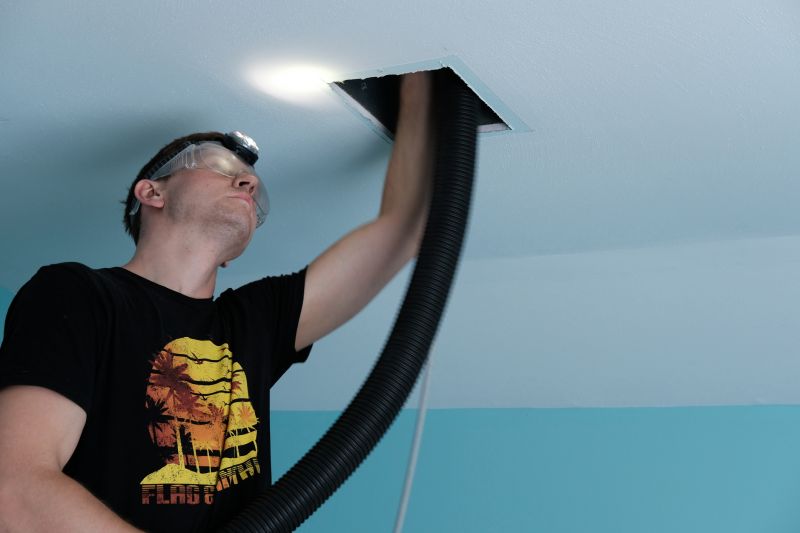
When comparing local contractors for commercial air duct cleaning, it’s important to consider their experience with similar projects. A service provider who has handled commercial duct systems comparable in size and complexity can offer insights into what’s necessary for effective cleaning and maintenance. Understanding their background in working with commercial environments helps ensure that the contractor is familiar with the specific challenges and standards associated with larger or more intricate duct systems, which can influence how often cleaning is recommended.
Clear written expectations are essential when evaluating potential service providers. A reputable contractor should be able to provide detailed descriptions of the scope of work, including what areas will be cleaned, the methods used, and any follow-up procedures. This clarity helps prevent misunderstandings and ensures that the service aligns with the needs of the business. Additionally, having transparent documentation about the process allows for easier comparison between providers and helps determine how well their recommendations match the specific requirements of the commercial space.
Good communication and reputable references are key factors in choosing a reliable contractor. Service providers who are responsive and willing to answer questions demonstrate professionalism and a commitment to customer service. Asking for references or reviews from previous clients can provide insights into their reliability, quality of work, and adherence to schedules. When contractors communicate clearly and have positive references, it indicates they are likely to provide consistent, quality service that can help determine how often commercial air ducts should be cleaned based on the unique circumstances of the business environment.
Property owners often search for how often commercial air ducts should be cleaned when they are planning practical projects around their homes and businesses. Local pros provide Air Duct Cleaning services for everyday jobs and straightforward project options.
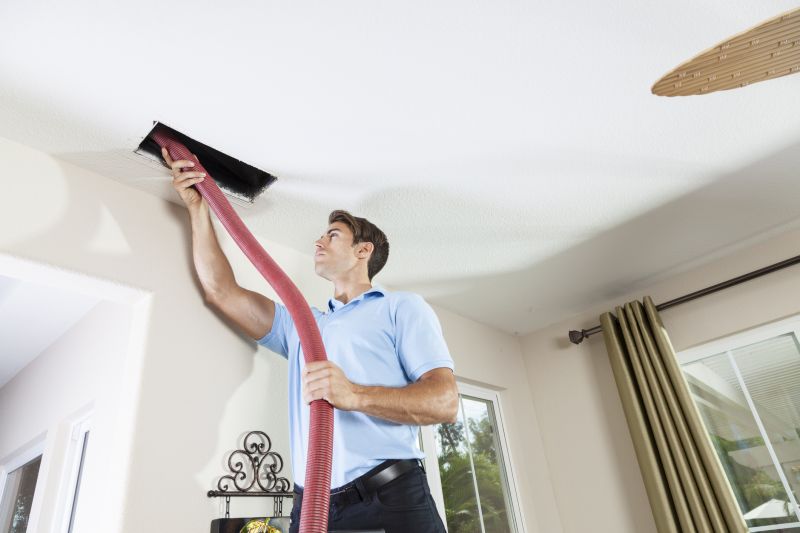
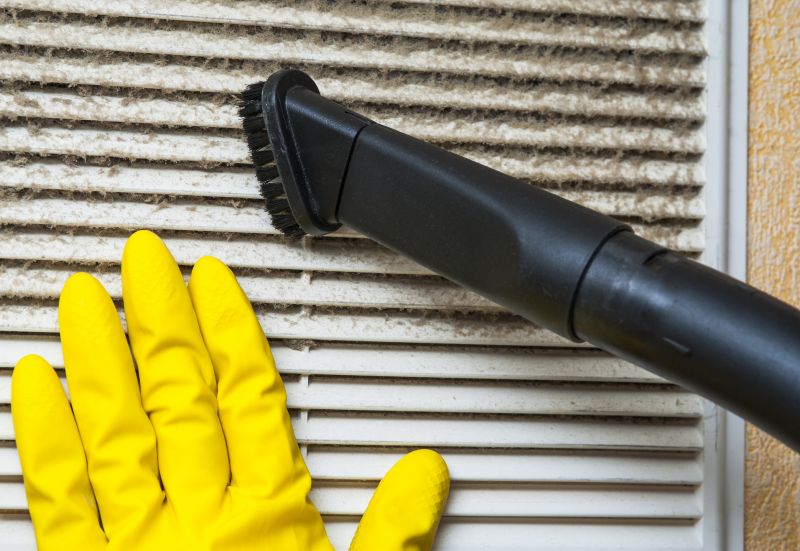
Understanding how often commercial air ducts should be cleaned is a common concern for property owners aiming to maintain a healthy indoor environment. Regular cleaning can help reduce dust buildup, improve air quality, and enhance HVAC system efficiency. Many local contractors recommend scheduling duct cleaning every few years, but the specific needs may vary based on factors such as the size of the space, occupancy levels, and whether the building has undergone recent renovations or experienced any issues with mold or pests.
Property owners often look into air duct cleaning services when they notice signs of poor air quality, persistent odors, or increased dust settling on surfaces. Businesses and facility managers may also consider routine cleanings to ensure a clean and comfortable environment for employees and visitors. By connecting with experienced service providers in the area, property owners can find solutions tailored to their specific circumstances, ensuring their commercial air ducts are maintained appropriately for optimal indoor air quality.
How often should commercial air ducts be cleaned? Generally, commercial air ducts should be cleaned every 3 to 5 years, but factors like building size, usage, and environmental conditions can influence the recommended frequency. Local contractors can assess your specific needs and provide guidance on maintenance schedules.
Are there signs that indicate a commercial air duct needs cleaning? Yes, signs such as increased dust, musty odors, or visible debris in vents may suggest that cleaning is needed. Consulting with local service providers can help determine if your ducts require attention.
Does the type of business affect how often air ducts should be cleaned? Yes, certain industries with higher dust, chemical, or allergen exposure may require more frequent cleaning. Local pros can evaluate your business environment to recommend appropriate maintenance intervals.
Can regular maintenance extend the time between professional cleanings? Routine filter replacement and air system upkeep can help maintain air quality and potentially prolong the interval between deep cleanings performed by local contractors.
Why is it important to follow recommended cleaning schedules for commercial air ducts? Adhering to suggested intervals helps ensure good indoor air quality, system efficiency, and can prevent potential health issues. Local service providers can help establish a suitable cleaning routine based on your facility’s needs.
Regular Maintenance Schedule - Property owners can establish a routine schedule for air duct cleaning based on usage and environment, ensuring local contractors are consulted for professional assessments.
Monitoring Air Quality - Keeping an eye on indoor air quality can help determine when commercial air ducts may need cleaning, prompting a consultation with local service providers.
Post-Construction or Renovation - After building projects, property owners might arrange for air duct cleaning services from local contractors to remove dust and debris accumulated during construction.
Signs of Contamination - Noticing unusual dust buildup or musty odors can guide property owners to seek cleaning services from local pros to maintain a healthy indoor environment.
If you are thinking about how often commercial air ducts should be cleaned for a property, this guide is meant to help you understand this topic, the typical project types, and how different options might fit your plans.
When you are ready, you can use the quote form on this page to share a few details about your project. From there, local pros can review the basics and follow up with options that match what you have in mind.